
Struggling with fatigue, joint pain, or brain fog? You’re not alone—chronic inflammation may be the hidden culprit behind many modern health issues.
If you’re on a journey to feel better, live longer, and eat smarter, this guide is for you—the everyday hero looking to take control of your health naturally. With years of research and real-world nutrition insights, We are here to walk you through what truly works when it comes to calming inflammation through diet.
In this article, we explore 7 must-know anti-inflammatory information that can transform your meals and support lasting wellness.
Keep reading to uncover the simple changes that can lead to clearer skin, a sharper mind, and a healthier, more vibrant you.
- 1. Why Inflammation Matters
- 2. What Is an Anti‑Inflammatory Diet?
- 3. The Science Behind Anti‑Inflammatory Foods
- 4. List of Anti‑Inflammatory Foods
- 5. Foods and Ingredients to Avoid in Anti‑Inflammatory Diet
- 6. Lifestyle Upgrades That Turbo‑Charge the Diet
- 7. One‑Day Sample Anti‑Inflammatory Menu
- What Are Anti‑Inflammatory Foods? Key Takeaways
1. Why Inflammation Matters
Inflammation is the immune system’s natural “first‑aid” response: it rushes white blood cells, cytokines and nutrients to a wound or pathogen so we can heal. Acute inflammation (a swollen ankle, a sore throat) is short‑lived and protective.
Chronic inflammation, however, is a slow‑burn reaction—often invisible—that can last for months or years and is strongly linked with heart disease, rheumatoid arthritis, inflammatory bowel disease, metabolic syndrome, and even cancer.
Our immune cells continuously release signals that can either promote inflammation or suppress it. When inflammation becomes chronic, it damages tissues, disrupts gut health, and increases the risk of chronic diseases.
Modern living (ultra‑processed diets, inactivity, stress, pollution, lack of sleep) keeps that fire smouldering. A healthy diet rich in anti‑inflammatory foods is one of the few levers we can pull every single day to reduce inflammation and rebalance the immune system.
See also How Can I Drink More Water?
2. What Is an Anti‑Inflammatory Diet?
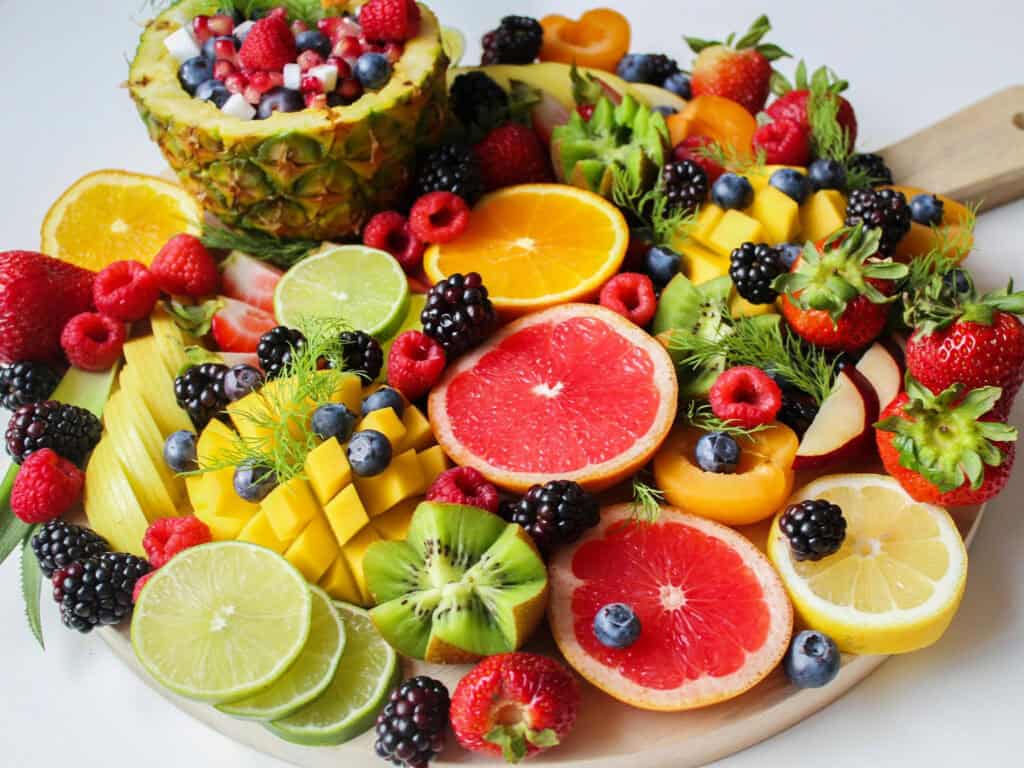
An anti‑inflammatory diet is not a rigid meal plan; it is a pattern that emphasises plant-based foods, healthy fats, and whole ingredients that contain anti-inflammatory compounds and minimise exposure to inflammatory foods.
The gold‑standard example is the Mediterranean diet, which consistently shows reductions in inflammatory markers like C‑reactive protein (CRP), interleukin‑6 (IL‑6), and tumour‑necrosis‑factor‑α (TNF‑α).
| Eat More | Eat Less |
|---|---|
| Colourful vegetables & fruit | Refined grains & added sugars |
| Extra‑virgin olive oil & other healthy fats | Fried foods, trans‑fats & processed foods |
| Fatty fish, legumes, nuts and seeds | Processed or charred red meat |
| Fermented foods & herbs/spices | High‑salt, high‑additive convenience items |
A steady intake of these foods doesn’t just lower disease risk — it helps to fight inflammation, support gut health, and modulate inflammatory pathways that control how your body reacts to injury or infection.
3. The Science Behind Anti‑Inflammatory Foods

Why do certain foods decrease inflammation while others promote inflammation?
- Polyphenols & carotenoids ─ Found in colourful fruits and vegetables, these anti-inflammatory compounds act as antioxidants and turn off NF‑κB, a key switch for inflammatory genes.
- Omega‑3 fatty acids (EPA & DHA) ─ Found in fatty fish like salmon, these create molecules called resolvins and protectins that have potent anti-inflammatory effects.
- Prebiotic fibre ─ Found in plant-based foods, this type of fibre feeds beneficial gut bacteria. The resulting short‑chain fatty acids (SCFAs) help reduce inflammatory markers and improve gut health.
- Micronutrients ─ Magnesium, selenium, vitamins C, D, E and several B‑vitamins are vital for immune regulation and antioxidant defence.
Together, these nutrients fight inflammation, protect tissues from damage, and help regulate immune cells involved in both acute inflammation and chronic inflammation.
4. List of Anti‑Inflammatory Foods
- Turmeric (curcumin) – Curcumin is a powerful anti-inflammatory compound that inhibits inflammatory gene expression. Pairing turmeric with black pepper increases absorption dramatically. Curcumin supplementation has shown significant anti-inflammatory benefits in arthritis and metabolic conditions.
- Ginger – Packed with gingerols, ginger has anti-inflammatory properties that soothe sore muscles and joint pain. It also supports gut health and digestion, contributing to lower inflammation.
- Blueberries – Rich in anthocyanins, blueberries help fight inflammation, protect against cognitive decline, and improve insulin response—key in preventing metabolic syndrome.
- Tart cherries – Their natural melatonin helps with sleep, while anthocyanins deliver potent anti-inflammatory effects, especially helpful after exercise or in arthritis.
- Leafy greens (spinach, kale, Swiss chard) – Loaded with magnesium and vitamin K, greens are anti-inflammatory foods that also help manage blood pressure and support healthy blood vessels.
- Cruciferous vegetables (broccoli, Brussels sprouts, cauliflower) – Sulforaphane boosts the body’s detox systems and decreases oxidative stress. Regular intake is linked with a reduced risk of chronic diseases.
- Extra‑virgin olive oil (EVOO) – This Mediterranean staple contains oleocanthal, which mimics ibuprofen’s anti-inflammatory effects and supports heart and joint health.
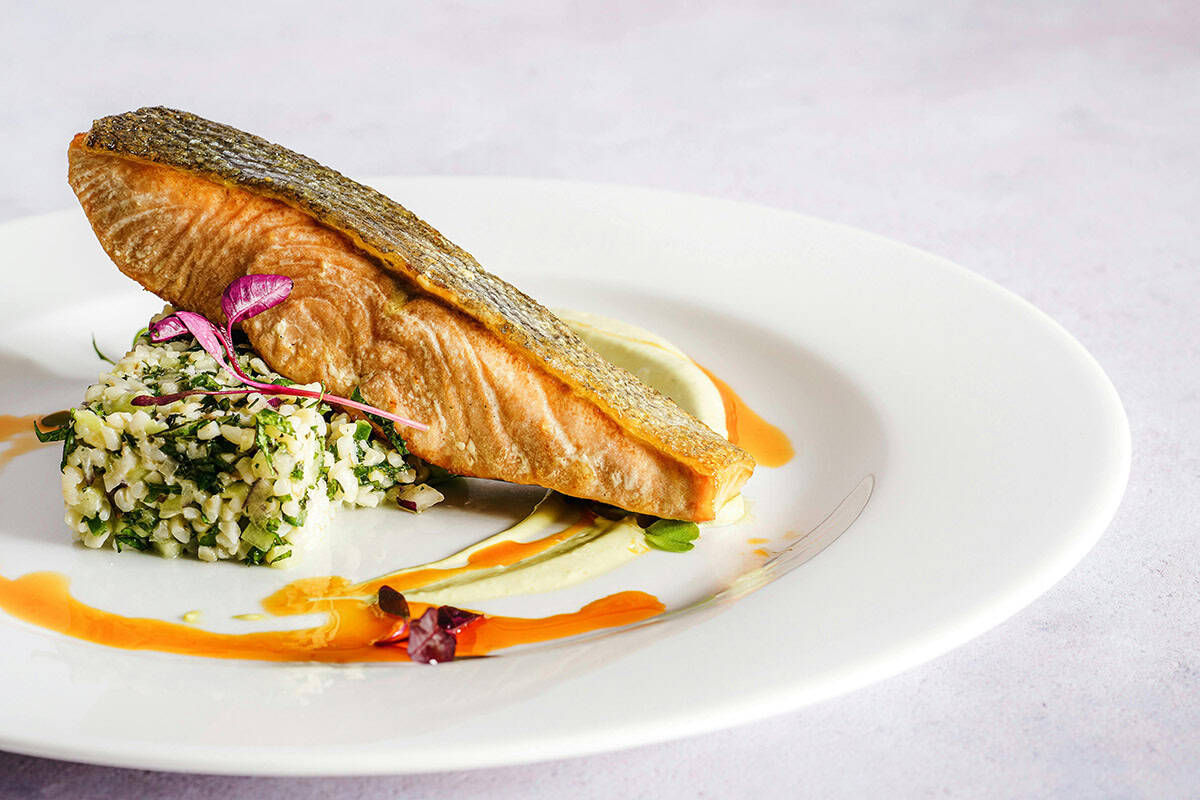
- Fatty fish (salmon, sardines, mackerel) – A prime source of omega-3 fatty acids, which directly reduce inflammatory markers and support brain and cardiovascular health. They’re essential in any anti-inflammatory diet.
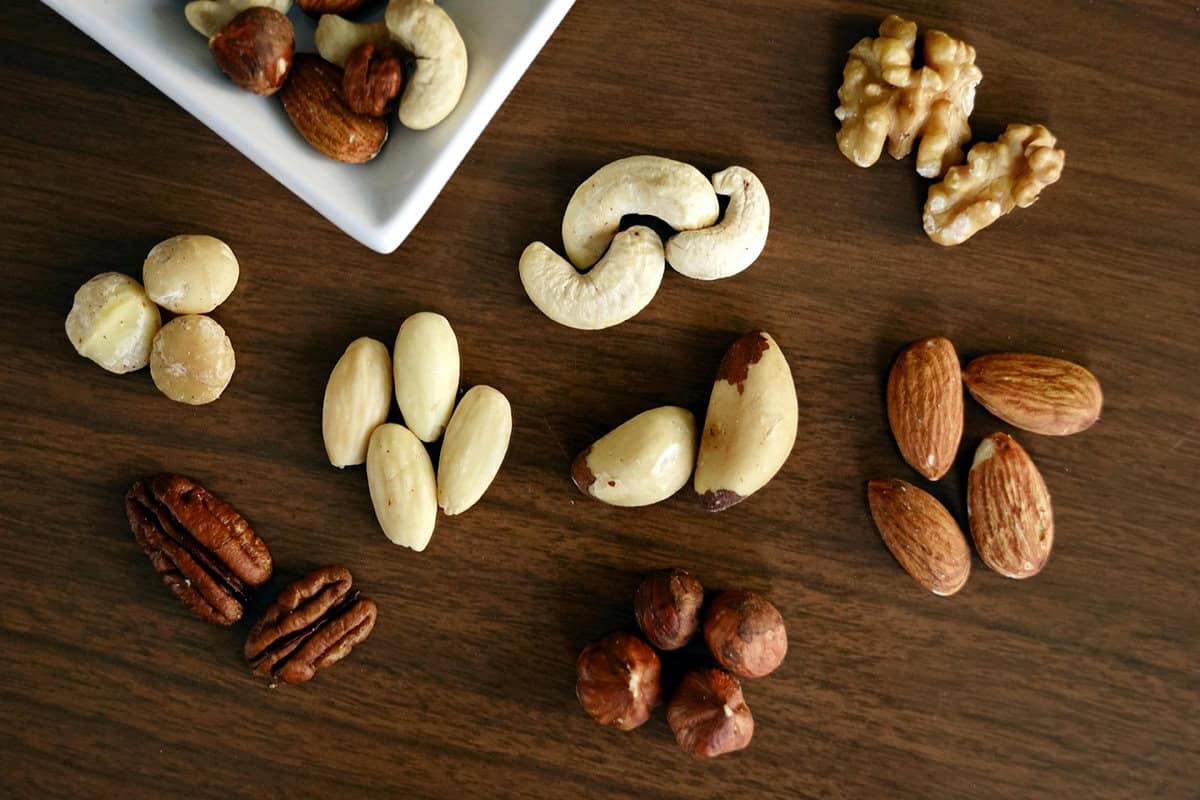
- Walnuts – High in ALA (a plant form of omega-3s), walnuts are top-tier nuts and seeds that help decrease LDL cholesterol and lower inflammation.
- Almonds – Packed with vitamin E and magnesium, they offer anti-inflammatory benefits, especially helpful for stabilising blood sugar and reducing oxidative stress.
- Flax & chia seeds – Among the most functional plant-based foods, these seeds supply both fibre and omega-3s, helping manage inflammatory bowel disease and other gut issues.
- Tomatoes – Contain lycopene, an antioxidant that lowers oxidative stress and supports the lining of blood vessels, reducing the risk of heart disease.
- Garlic – Rich in allicin, garlic helps regulate immune system function and supports detoxification processes, contributing to lower inflammation.
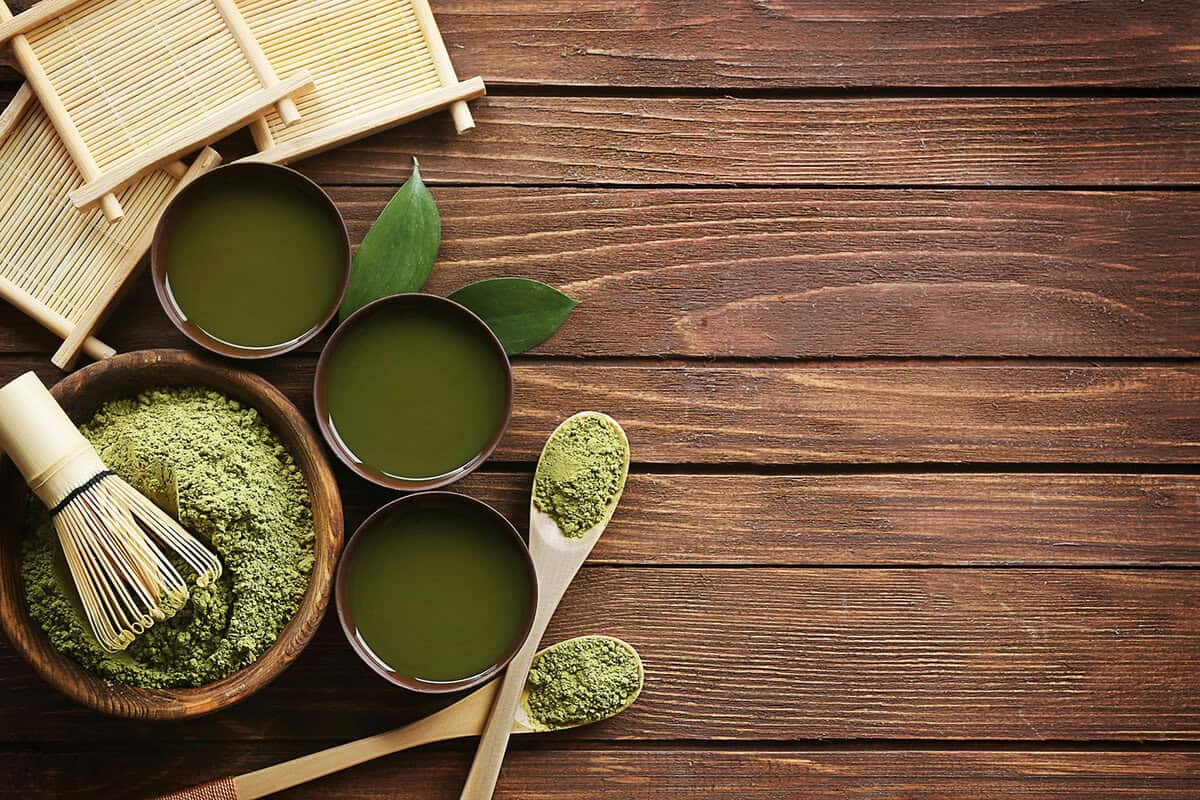
- Green tea (matcha, sencha) – Catechins like EGCG offer cellular protection and are linked to reduced risk of chronic diseases, including cancer and cardiovascular disease.
- Fermented foods (kimchi, kefir, sauerkraut) – Improve microbial balance in the gut, which is crucial for immune health and long-term anti-inflammatory benefits.
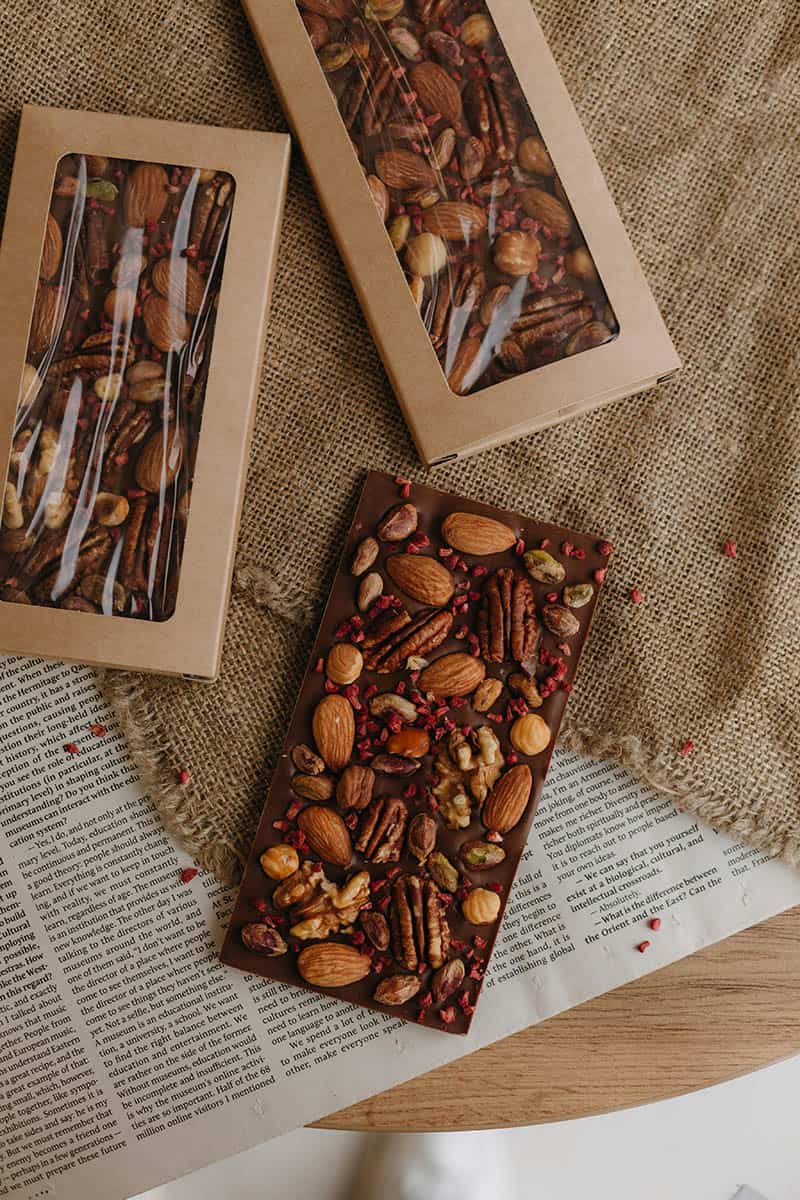
- Dark chocolate (≥70% cocoa) – Contains flavanols that improve blood pressure, brain function and lower oxidative stress. Choose unsweetened or lightly sweetened varieties.
5. Foods and Ingredients to Avoid in Anti‑Inflammatory Diet

Certain ingredients actively promote inflammation, disrupt the immune system, and spike inflammatory markers:
- Ultra‑processed foods (UPFs) – High in emulsifiers, additives, and artificial fats, these damage the gut lining, promote dysbiosis, and drive chronic inflammation.
- Added sugars & high‑fructose corn syrup – Excess sugar increases insulin resistance and activates inflammatory signalling, especially in people with metabolic syndrome.
- Refined grains – White flour products elevate blood sugar quickly, leading to inflammatory responses.
- Processed & charred red meats – Red meat, when highly processed or overcooked, produces advanced glycation end-products (AGEs) and nitrates, which promote inflammation. Opt for lean protein options like legumes or fatty fish.
- Trans‑fats & reheated seed oils – Disrupt cellular membranes and promote oxidative stress and vascular inflammation.
- Excessive alcohol – Disrupts gut health, increases intestinal permeability, and contributes to inflammatory bowel disease in vulnerable individuals.
6. Lifestyle Upgrades That Turbo‑Charge the Diet
- Move daily – Exercise modulates inflammatory markers, especially CRP, and supports the body’s natural detox systems.
- Sleep 7–9 hours – Chronic sleep loss elevates inflammatory markers and weakens immune cells.
- Manage stress – Chronic stress keeps cortisol elevated, which feeds chronic inflammation. Mindfulness and breathing techniques improve emotional resilience.
- Avoid smoking & pollutants – Environmental toxins like diesel and tobacco smoke increase oxidative stress and inflammatory responses.
Lifestyle changes amplify the anti-inflammatory benefits of diet and are key to sustainable health improvement.
See also How Often Should You Have Cheat Days?
7. One‑Day Sample Anti‑Inflammatory Menu
| Meal | What to Eat | Why It Works |
|---|---|---|
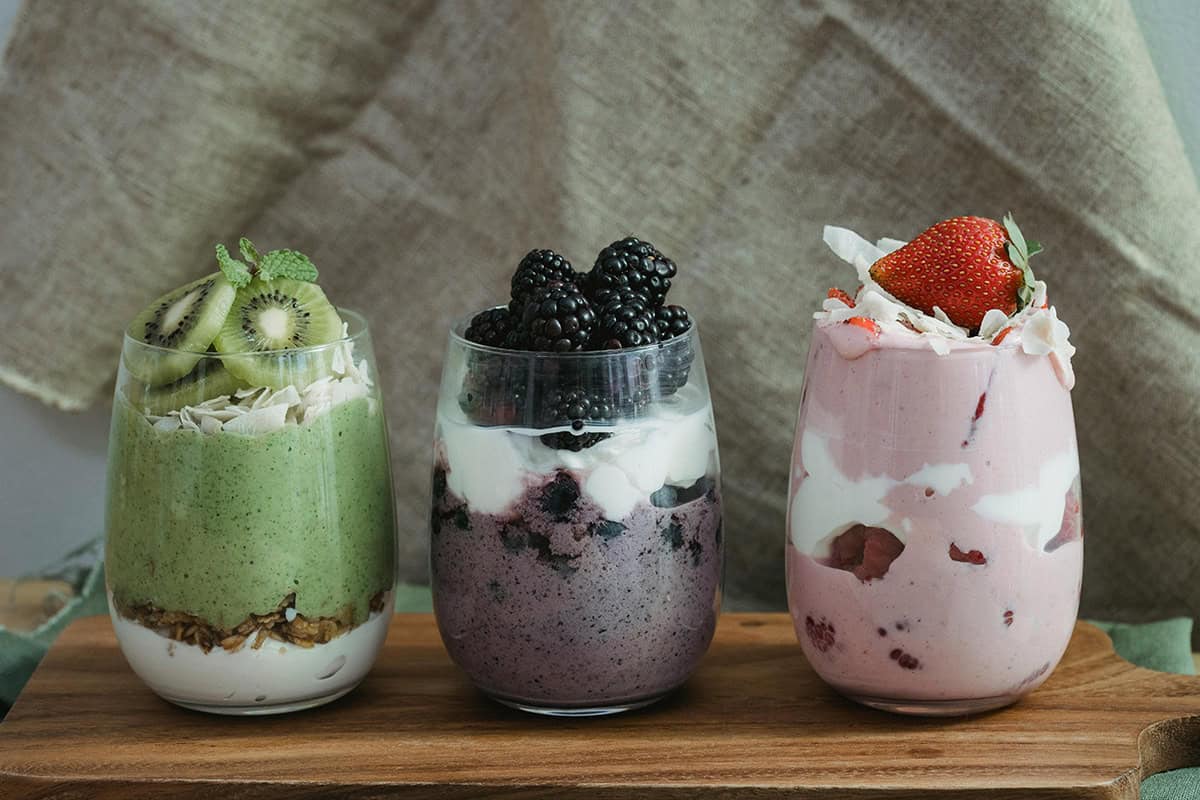
| Breakfast | Overnight oats with blueberries, ground flax, kefir & cinnamon | Combines fibre, probiotics, and anti-inflammatory compounds |
| Snack | A small handful of walnuts & green‑tea latte | Combines nuts and seeds with flavonoids |
| Lunch | Quinoa‑spinach salad with cherry tomatoes, avocado, EVOO‑lemon dressing & grilled turmeric‑ginger chicken | Balanced lean protein, healthy fats, and colourful produce |
| Snack | Tart‑cherry smoothie with kale and chia | Plant-based, anti-inflammatory and gut-friendly |
| Dinner | Baked salmon on broccoli, roasted sweet potato, side of sauerkraut | Rich in omega 3 fatty acids, antioxidants, and probiotics |
| Treat | 20 g 85 % dark chocolate | Cocoa flavanols with cardiovascular and anti-inflammatory effects |
What Are Anti‑Inflammatory Foods? Key Takeaways
A consistent anti-inflammatory diet is one of the most powerful tools to reduce chronic inflammation and support long-term gut health, metabolic balance, and immune function.
By focusing on whole grains, colorful vegetables, healthy fats like olive oil, and fish oil supplements or fatty fish, you can help lower inflammatory biomarkers linked to cardiovascular disease, autoimmune diseases, and even Alzheimer’s disease.
Limit refined carbohydrates, fried foods, and excessive red meat, all of which are known to promote inflammation. Nutrition doesn’t act alone—movement, stress management, and quality sleep all work together to protect your body.
Choose foods that heal rather than harm, and you’ll notice more than just fewer symptoms—you’ll gain energy, clarity, and long-term resilience.